
The House Edge Is Not Your Enemy: How Smart Players Think About iGaming

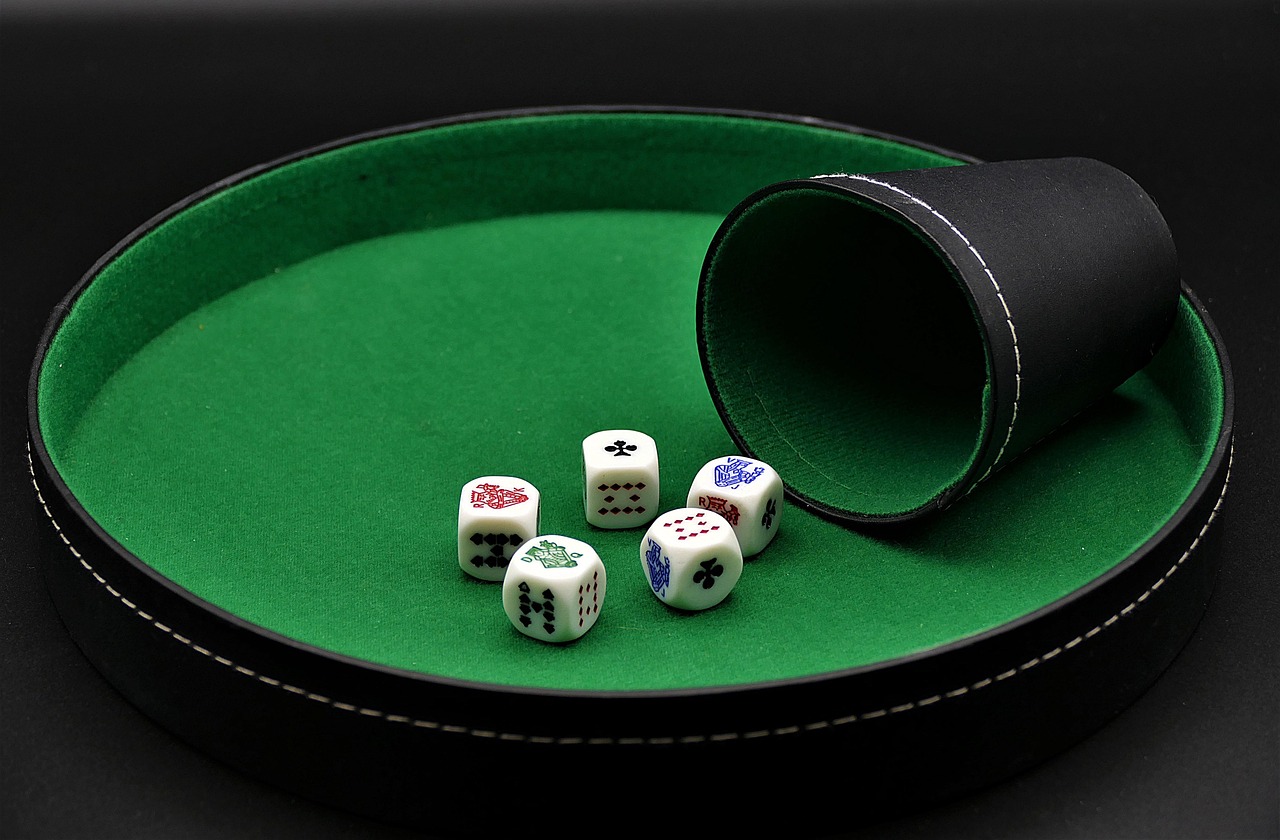
Walk into any casino forum and you'll find the same tired argument within five minutes: gambling is rigged, the house always wins, and anyone who plays for long enough is a fool. There's a sliver of truth buried in that cynicism, but it misses the entire point. The house edge isn't a secret scam. It's a published, mathematically provable number that tells you exactly what you're paying for the entertainment. Once you understand that number, you stop being a mark and start being a customer.
This isn't a lecture about quitting. It's a guide to thinking like the small percentage of iGaming players who actually understand the games they're playing. Whether you're spinning slots at 2 a.m. or grinding poker tournaments on the weekend, the same principles apply.
Every Game Is a Different Beast
The single biggest mistake casual players make is treating all casino games as one interchangeable blob. They're not even close. The house edge ranges from roughly 0.5% on blackjack played with perfect basic strategy to around 25% on some keno and scratch-card variants. That's a 50x difference in the rate at which you lose money over time.
- Blackjack (basic strategy): 0.5%–1% edge to the house
- Baccarat (banker bet): 1.06%
- European roulette: 2.7%
- American roulette: 5.26% (that extra double-zero slot matters)
- Video poker (Jacks or Better, full pay): 0.46%
- Slots: typically 2%–10%, with some progressives pushing higher
Notice something? Slots, the game most people default to, sit at the bottom of the list. That's not an accident. Slot machines are the profit engine of every casino floor and every online platform. They're fun, they're loud, and they're fast. But if your goal is to stretch your bankroll, they are objectively the worst fiscal choice in the building. That doesn't mean don't play them. It means play them knowing what you're buying.
The Slot Myth That Refuses to Die
Here's a claim you'll hear constantly: "This machine is due." No machine is ever due for anything. Modern slots, especially online, use random number generators that reseed on every spin. A machine that hasn't paid out in four hours and one that just hit a jackpot have identical odds on the very next spin. There is no memory, no momentum, no karma.
What does matter with slots is volatility and RTP. RTP, or return to player, is the theoretical percentage paid back over millions of spins. A 96% RTP slot returns $96 for every $100 wagered across that massive sample. Your personal session might return 400% or 0%. The number only reveals itself with volume you'll never personally reach. We found Rikvip to be a handy reference here.
Volatility is the more practical dial. Low-volatility slots pay small amounts frequently, keeping you alive and entertained. High-volatility slots pay rarely but potentially huge. Neither is "better." If you have a $50 bankroll and want two hours of play, you want low volatility. If you're chasing a life-changing payout on a $100 deposit, you accept that most sessions will end in ten minutes.
A quick slot tip list
- Check the RTP in the game's info screen. Anything under 95% is a tax you're choosing to pay.
- Match volatility to bankroll, not mood.
- Never chase the bonus round you "almost" hit. It's a dopamine slot machine inside the slot machine.
- Treat each session's loss as the price of the ticket, decided in advance.
Poker Is the Only Game Where You Play the Players
Ask any professional why they gravitate to poker and you'll get the same answer: the house takes a rake, not an edge. In blackjack, the casino is your opponent and the math is against you. At a poker table, the casino is a landlord collecting rent, and your opponents are other humans who make mistakes. Every mistake they make is money that can flow to you.
That's why poker strategy is endlessly deep. Position matters more than cards. Aggression wins pots that timidity surrenders. Bankroll management is not optional. A player who could beat $1/$2 consistently will go broke playing $5/$10 with the same skill set because variance scales with stakes.
Online poker, in particular, has become brutally efficient. Solvers have flattened the edges at mid and high stakes. But at low stakes, recreational players still call too much, bluff too little, and play their hands face-up. The money is there. It just requires patience and volume.
Bankroll Management Separates Hobbyists From Problem Gamblers
This is the least glamorous topic in iGaming and the most important. A sports bettor who wagers 20% of their roll on a single game is not betting. They're flipping a coin with extra steps. Standard wisdom for sports betting is 1%–2% of bankroll per wager. For poker cash games, 20–30 buy-ins is the minimum, and tournament players need 50–100 buy-ins to survive the swings.
For casino games, set a session loss limit before you sit down, and enforce it by whatever means necessary. Deposit limits, time-outs, and self-exclusion tools exist precisely because willpower collapses in the moment. Using them isn't weakness. It's acknowledging that you're a human with a dopamine system, not a Vulcan.
Sports Betting: Where Information Beats Instinct
Betting sites have made the math cleaner than ever, which cuts both ways. Sharp information is priced into lines almost instantly, so the lazy "I think the home team looks good" wager is gutted by close. But the same efficiency creates pockets of value for bettors who study specific niches: lower-league football, injury news, weather, referee tendencies, line movement.
Line movement is the closest thing sports betting has to insider information. If a line opens at -3 and moves to -6 with no major public news, someone with real information is betting. Following sharp money, or at least not standing in front of it, is a survival tactic. Conversely, betting against a game because you "like" the underdog is how recreational bettors subsidize their sharper peers.
The most underrated tool in sports betting is a simple spreadsheet. Track every wager. Note the line you got versus the closing line. If you consistently beat the close, you're sharper than the market. If you don't, you're paying tuition and should be learning.
The Bottom Line Is Yours to Set
iGaming is one of the few entertainment industries where the odds are published and the rules are transparent. That's both a gift and a trap. It's a gift because a thoughtful player can identify games where their money lasts longer and their skill matters more. It's a trap because transparency gives the illusion of control where none exists.
The players who enjoy this world for decades without wrecking their lives share a few habits. They decide what they're willing to lose before they play. They choose games with better edges when it's a coin-flip decision. They treat slots as entertainment with a known ticket price, not an investment. And they know the difference between a bad night and a bad pattern.
Nobody beats the math forever. But you can absolutely be the player who loses slowly, plays smart, and enjoys the ride. That version of iGaming is worth participating in. Everything else is just paying for someone else's yacht.

Joeby Ragpa
This template is so awesome. I didn’t expect so many features inside. E-commerce pages are very useful, you can launch your online store in few seconds. I will rate 5 stars.
ReplyAlexander Samokhin
This template is so awesome. I didn’t expect so many features inside. E-commerce pages are very useful, you can launch your online store in few seconds. I will rate 5 stars.
ReplyChris Root
This template is so awesome. I didn’t expect so many features inside. E-commerce pages are very useful, you can launch your online store in few seconds. I will rate 5 stars.
Reply