
Storage solutions for narrow cottage stairways

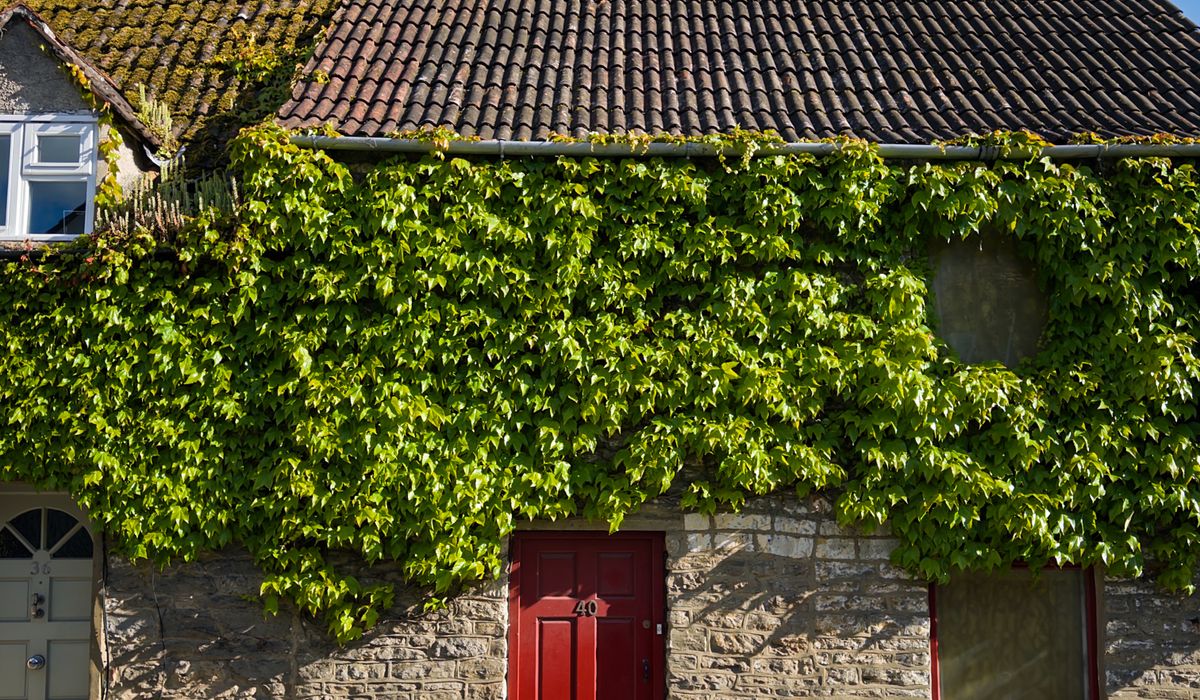
Why cottage stairways fight back
Cottage stairs were never designed for the amount of stuff a modern household carries up and down them. A typical Victorian or Georgian cottage stair is somewhere between 65cm and 80cm wide, often with a turn or a winder that narrows further, and frequently with a handrail sitting proud of the wall on one side. That doesn't leave much margin. Anything projecting more than about 10cm at ankle or shin height becomes a trip hazard, and anything that reduces the clear walking width below roughly 55cm turns a simple trip to the bathroom into a sideways shuffle.
There's a structural quirk to plan around as well. Many cottages have lath and plaster walls, which crumble if you simply drive a screw in, and uneven lime plaster that makes a spirit level look like it's lying. If your cottage is listed, or sits in a conservation area, check before fixing anything into historic fabric — a conversation with the local conservation officer is far cheaper than putting it right afterwards. For everyday storage, the rule is simple: find the studs, and let them take the weight.
Wall-mounted baskets that stay out of the way
Shallow woven baskets are the single most useful thing you can add to a tight stairwell. Choose ones no deeper than 10–15cm — deep enough for post, keys, a dog lead, torch, gloves and the small clutter that otherwise migrates onto the treads, but shallow enough that a shoulder never catches them. Mount them between 1.2m and 1.5m from the floor, which on most cottage stairs puts them above hip height and comfortably below head height as you climb.
- Seagrass, willow or a woven cotton rope basket all work well; avoid anything with a rigid rim wider than the basket itself.
- Fix into studs with a slim French cleat or a pair of mirror plates, so the basket sits flat against the wall rather than swinging out.
- Line the base with a scrap of felt to stop keys and coins rattling on every trip upstairs.
- One basket per landing, not one per step. Two or three well-placed baskets will hold more than a dozen small ones and look far calmer.
Slim consoles and narrow tables
At the foot of the stairs, or in the turn where the stair widens, a console table around 25–30cm deep earns its keep without stealing floor space. Look for designs with a wall-fixed back edge or a slim rear leg, so you're not repeatedly banging a knee on the fourth corner. Height-wise, 75–80cm is standard and comfortable.
The most useful consoles have a shallow drawer for keys, sunglasses and spare batteries, plus a lower shelf set about 15cm off the floor. That gap is perfect for a boot tray or a flat basket of shoes, which keeps wet footwear off the boards and out of the walking line. On a half landing, a narrow table can double as a lamp shelf, provided the cable is clipped neatly along the skirting.
What you shouldn't do is place a console right where the handrail terminates, or where someone steps off the bottom tread. Those two spots need to stay completely open.
Make the doors earn their keep
Doors are the most overlooked storage surface in a cottage. An over-door hook rack, the sort that hangs over the top edge without any drilling at all, will hold four to six items on the back of a bedroom or bathroom door — dressing gowns, towels, a laundry bag, the ironing board cover. Check the door's clearance first; a rack that stops the door opening fully is worse than no rack at all.
- Use over-door hooks where you can't drill, but keep each hook to around 5kg in practice rather than the 10kg some packaging claims.
- Fit a wall-mounted hook rail at 1.6–1.7m for coats and bags. Anything lower gets clipped by a shoulder on the way past.
- A shallow shoe rack, 18–20cm deep, slots neatly beside a doorway and takes two rows of shoes without intruding.
- Hang a canvas tote on a hook for the things that need to go up or down next — the classic cottage "stair basket" without the tripping risk.
Squeeze value from landings and under-stair nooks
Half landings in cottages are often wide enough for a built-in window seat with a lift-up lid. A seat 40–50cm deep gives you a full blanket box's worth of storage, and because it sits flush to the wall it never narrows the stair itself. Cushion it with a firm foam pad covered in a washable linen, and it becomes the best reading spot in the house.
The space under a cottage stair is usually a triangular awkwardness, but it will take a run of open shelving at 30cm deep, or a cupboard closed off with a simple curtain on a brass rod if doors would foul the treads. Use it for the things you need only seasonally — wellington boots, picnic rugs, Christmas decorations — so you're not opening and closing it every week.
A few house rules to keep the stairs clear
Storage only works if it stays disciplined. The handrail should be graspable along its entire length, with nothing hung over it. Nothing should ever be put down on a tread, not even briefly — a folded towel on a step is how people fall. Keep a small basket at the top and another at the bottom for anything in transit, and empty them once a week rather than letting them silt up.
Finally, light the stairs properly. A second switch at the top and bottom, plus a warm bulb at the landing, means you're never carrying an armful of things up a half-lit staircase — which is exactly when clutter becomes a hazard rather than just untidy.

Joeby Ragpa
This template is so awesome. I didn’t expect so many features inside. E-commerce pages are very useful, you can launch your online store in few seconds. I will rate 5 stars.
ReplyAlexander Samokhin
This template is so awesome. I didn’t expect so many features inside. E-commerce pages are very useful, you can launch your online store in few seconds. I will rate 5 stars.
ReplyChris Root
This template is so awesome. I didn’t expect so many features inside. E-commerce pages are very useful, you can launch your online store in few seconds. I will rate 5 stars.
Reply